Sipe Traditional
Classical Guitar
A Timeless Aesthetic & Sound

Starting at $6,800 USD
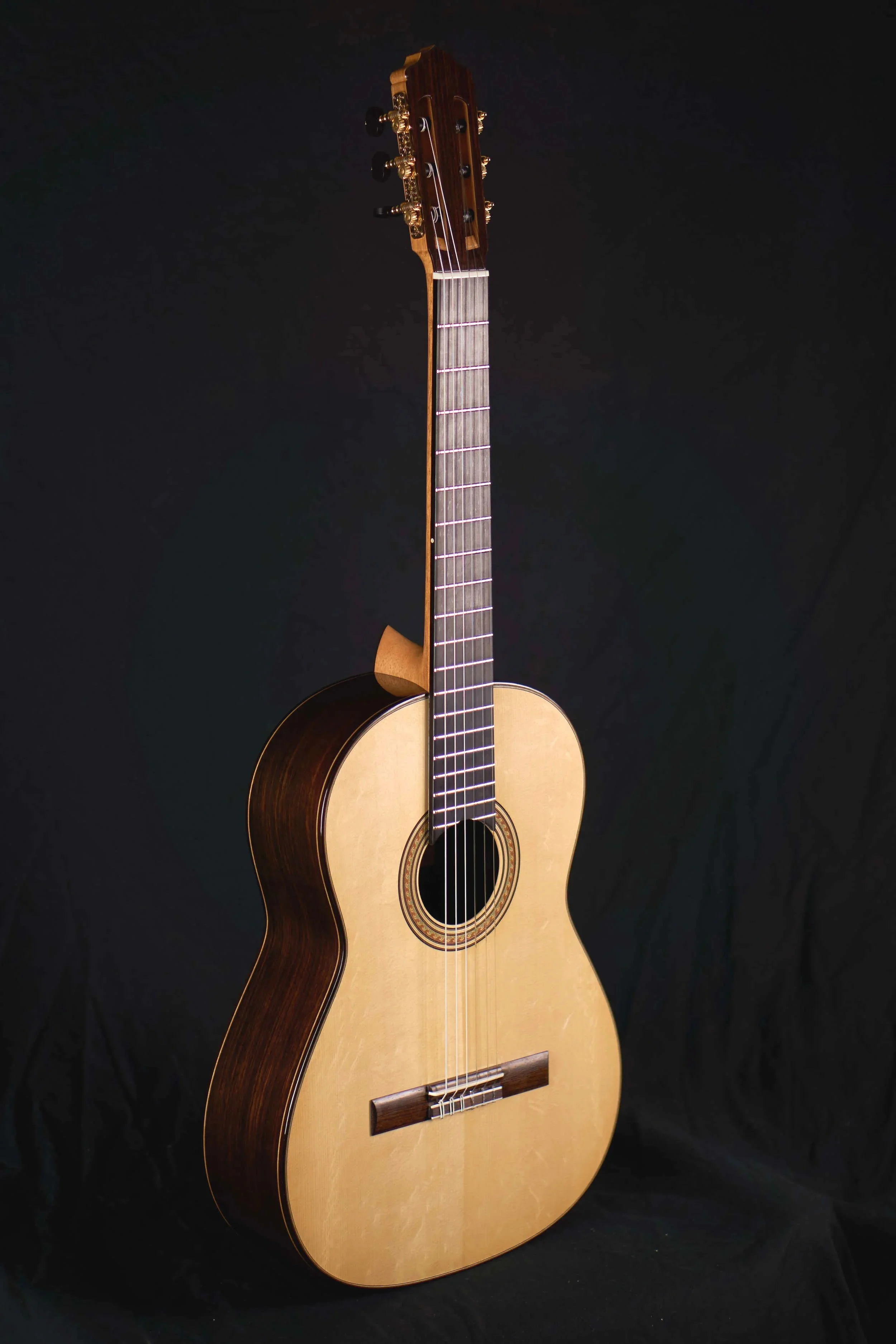
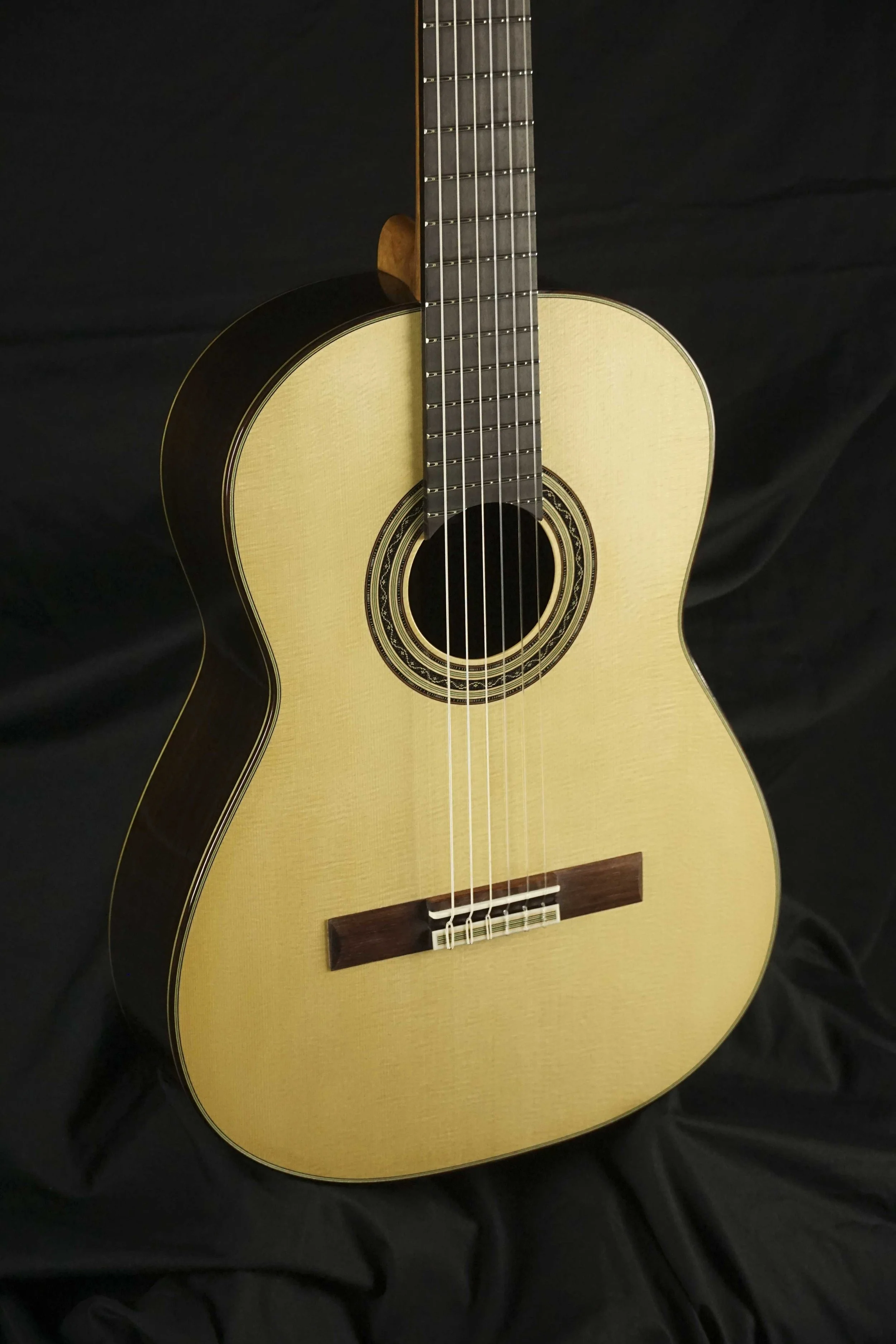
The Traditional model features a timeless classical guitar aesthetic with a mosaic rosette and classical detailing. The bracing systems and aesthetic details more closely align with the fine guitars of the past.
Complete French polish of instrument
Wood Binding
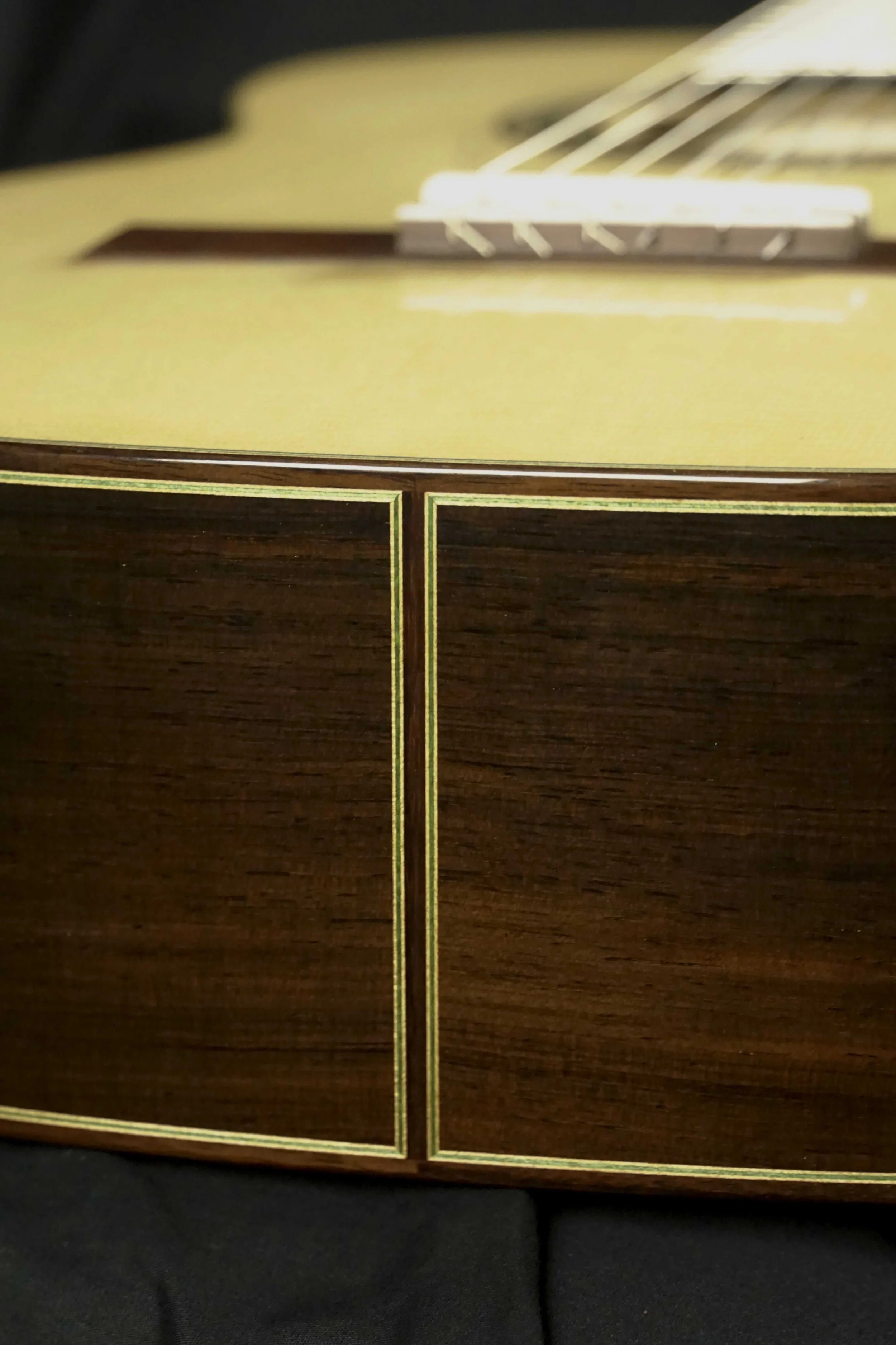
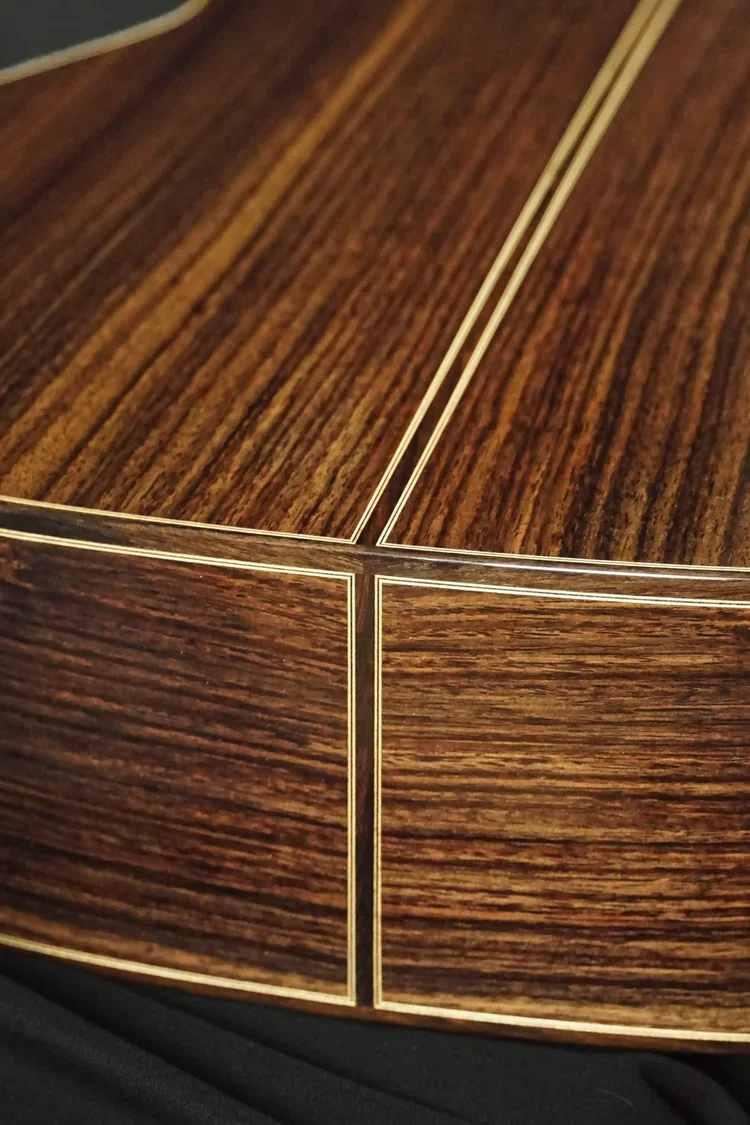
Multi lined purflings all around with mitered joints
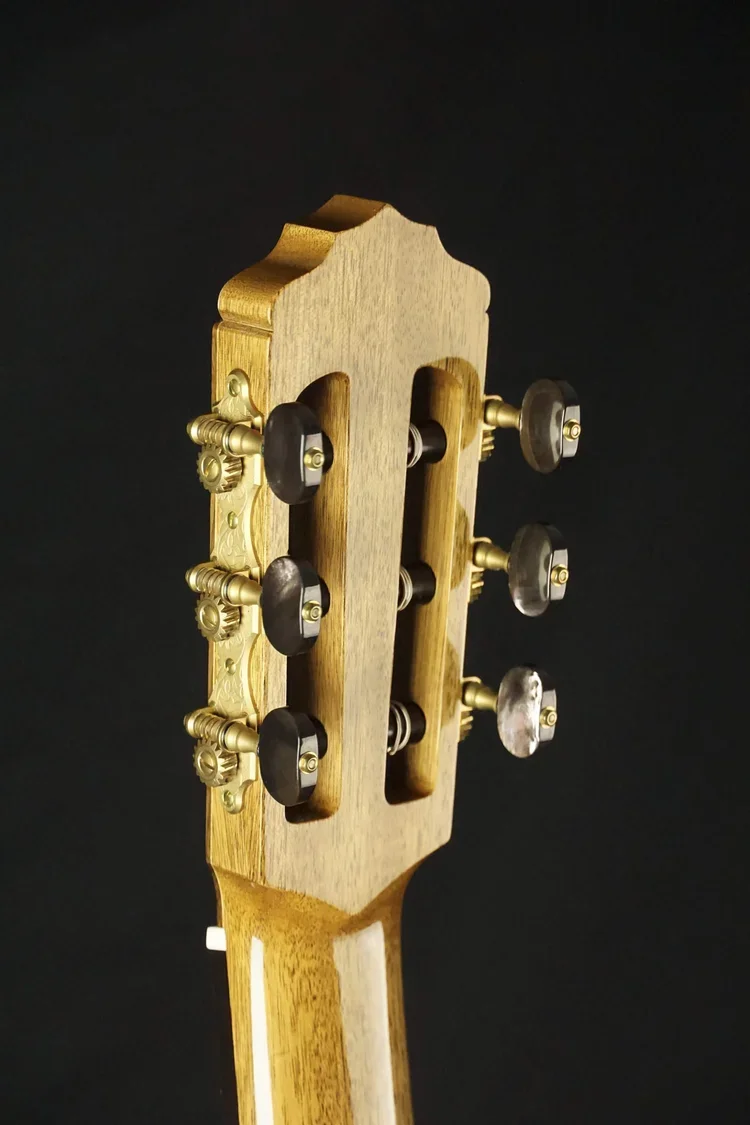
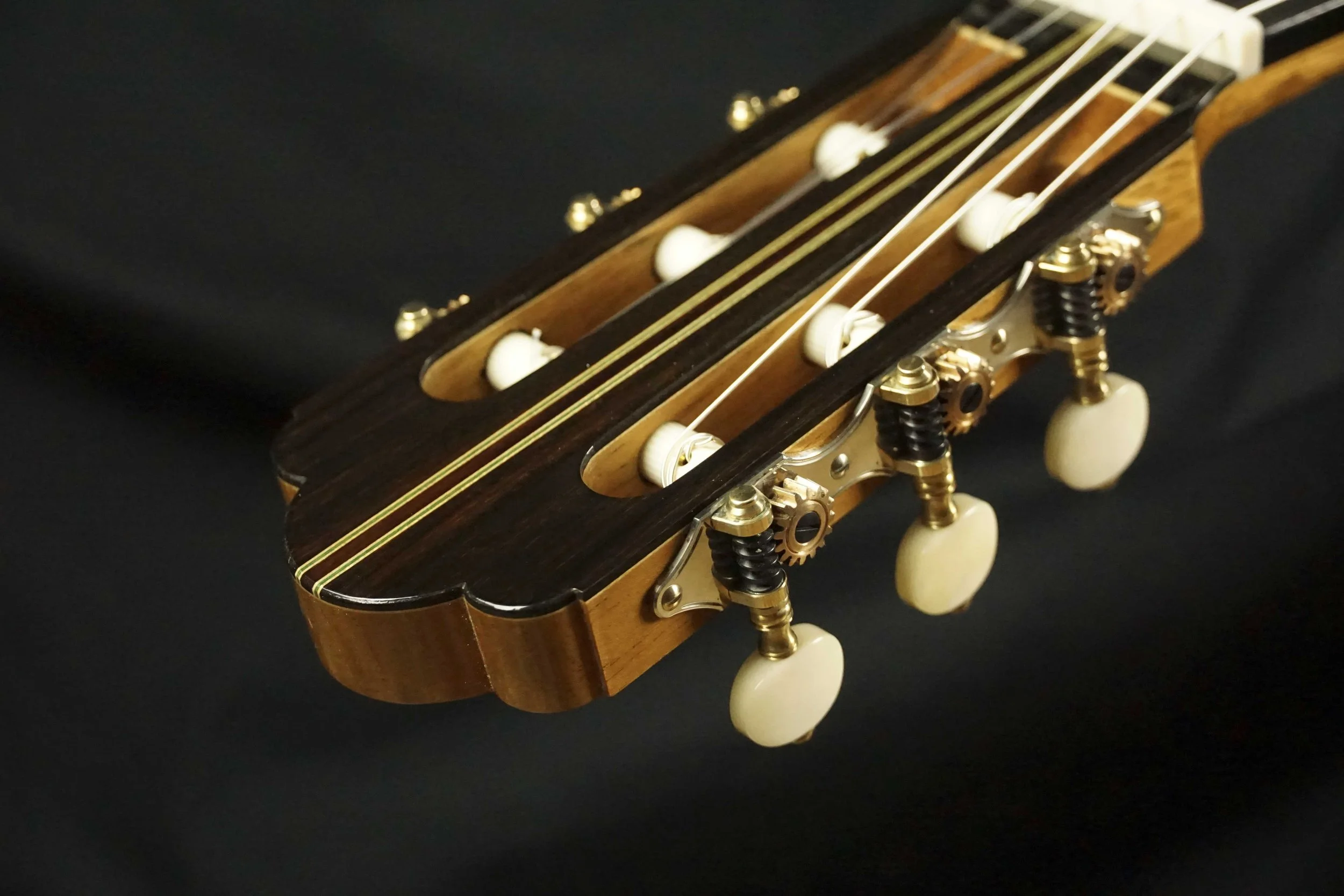
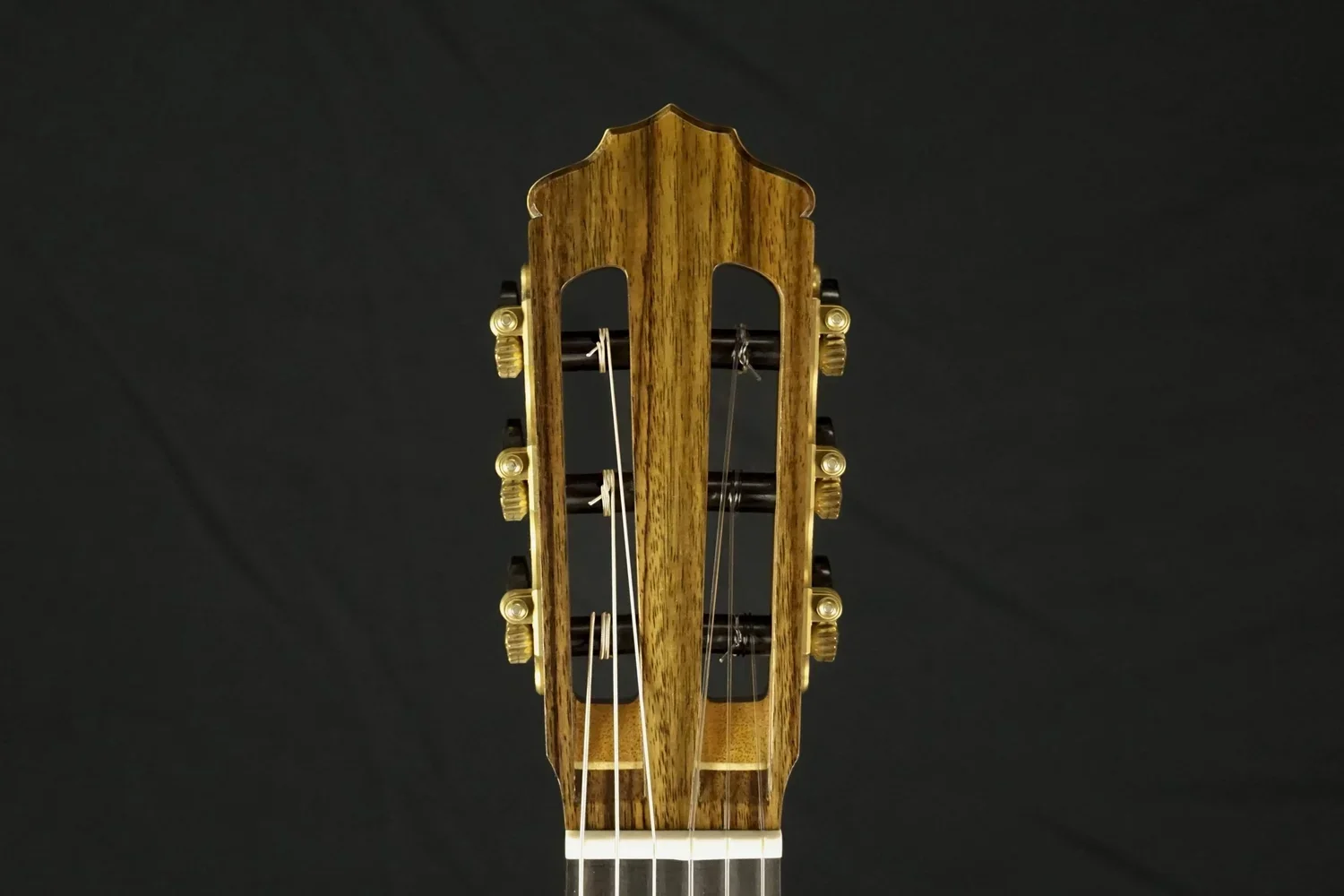
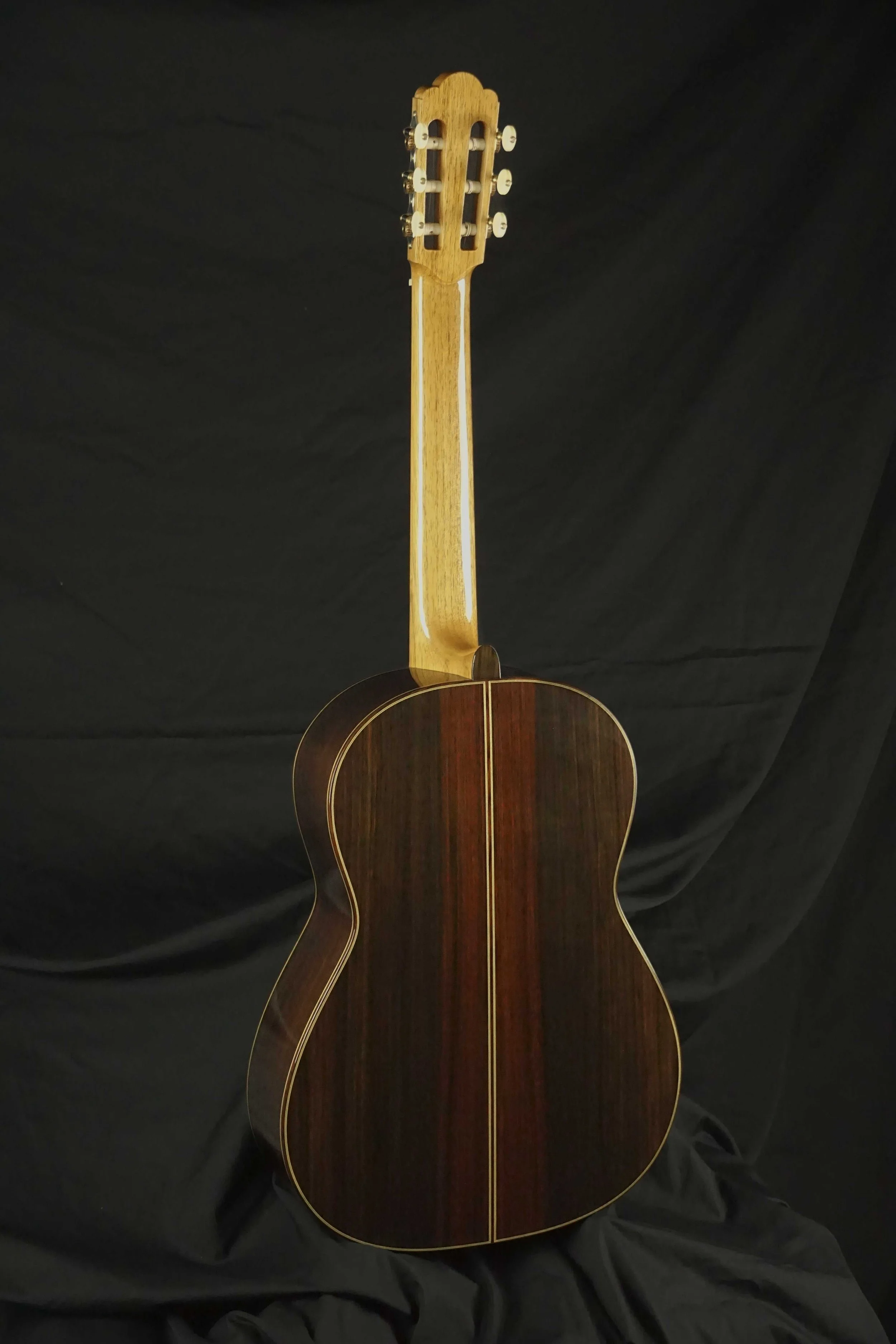
Standard headstock with more ornate carvings and bevels
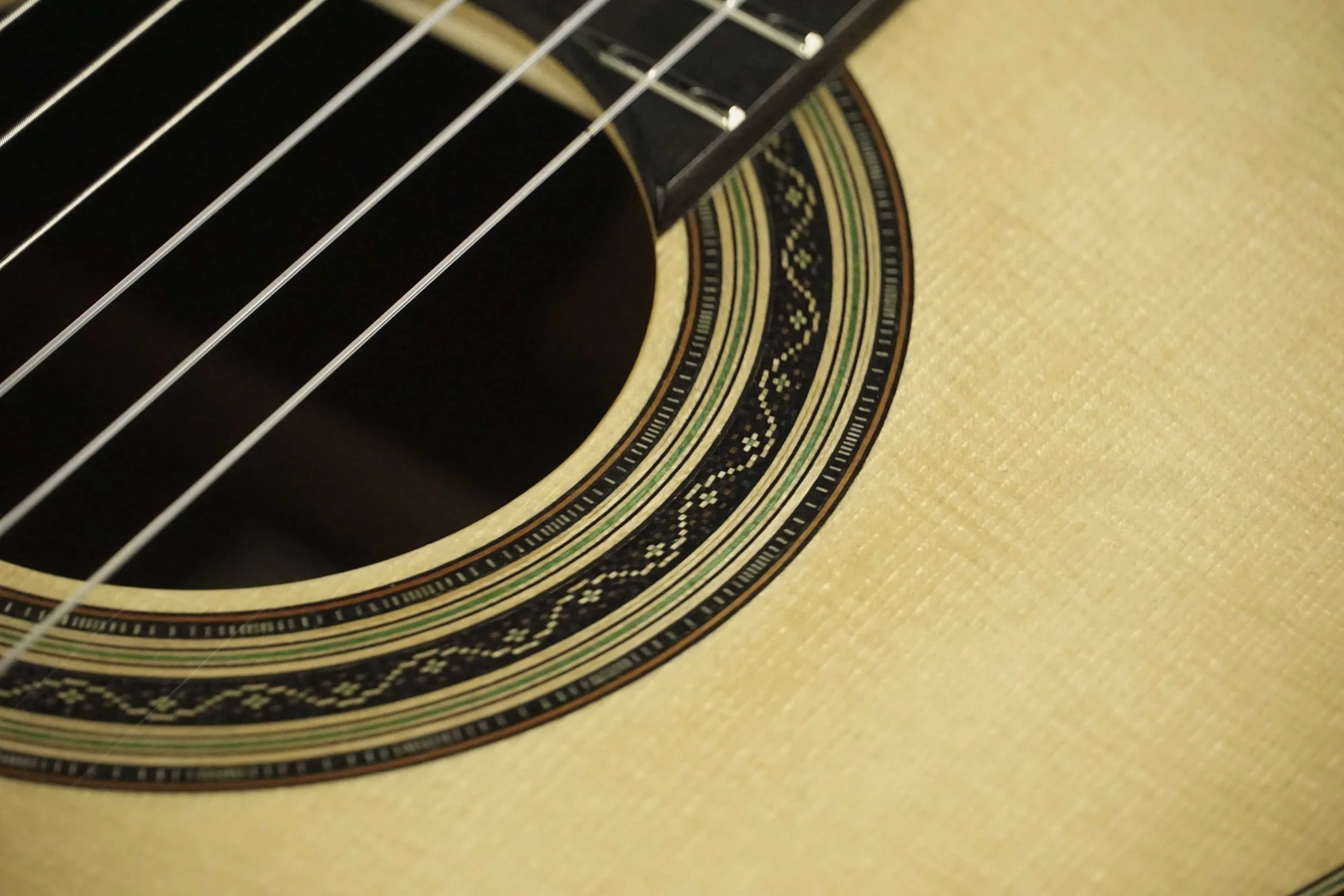
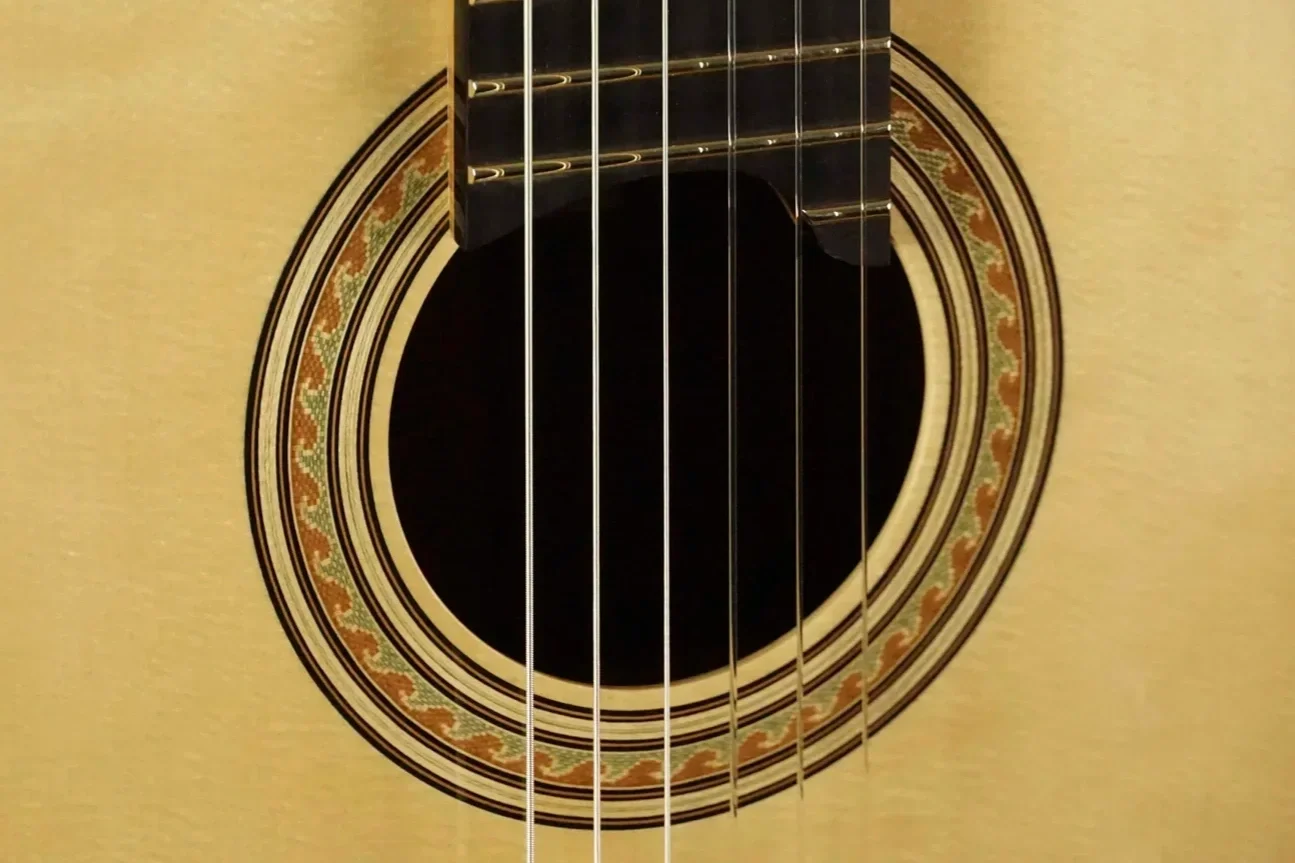
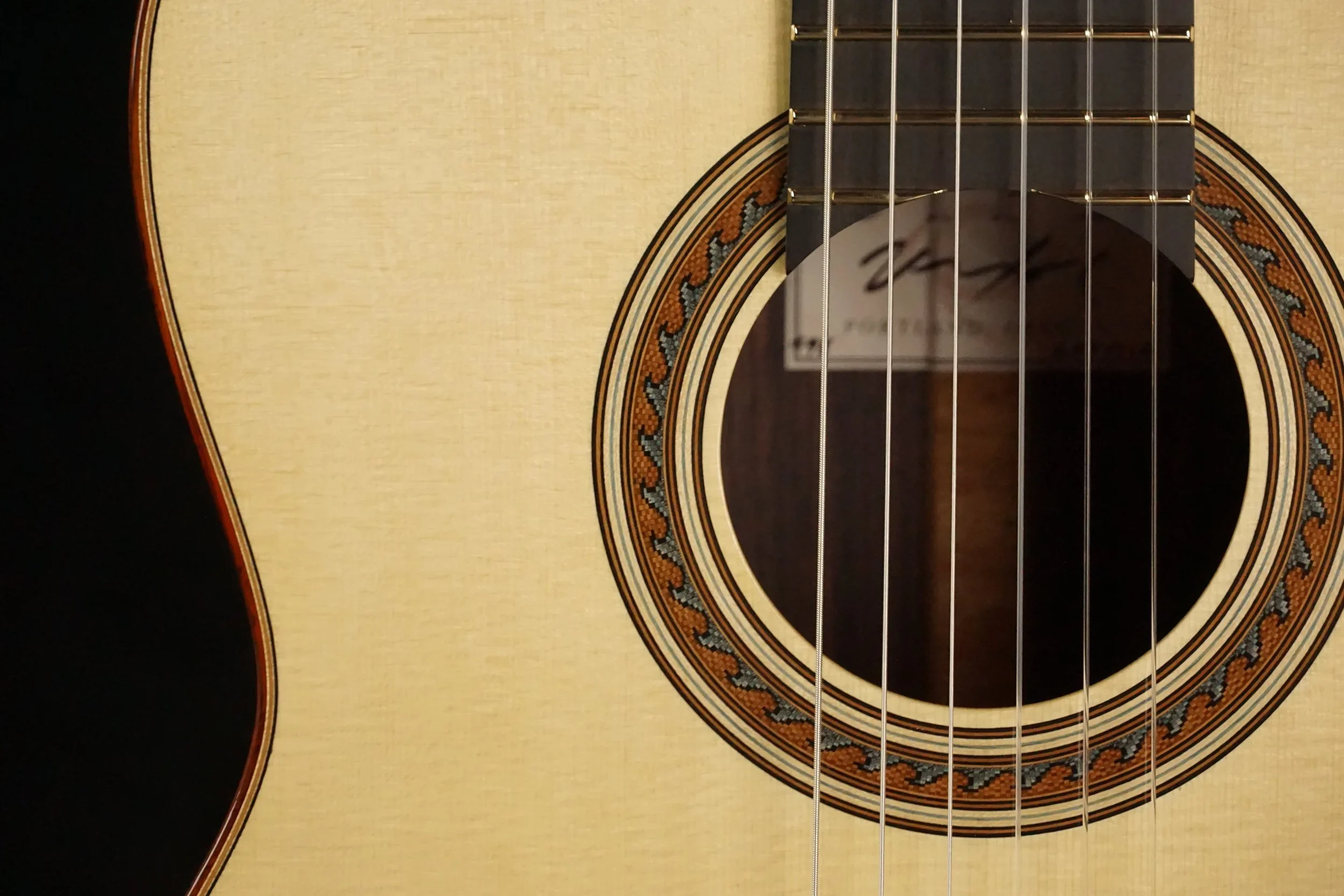
Handmade mosaic rosette
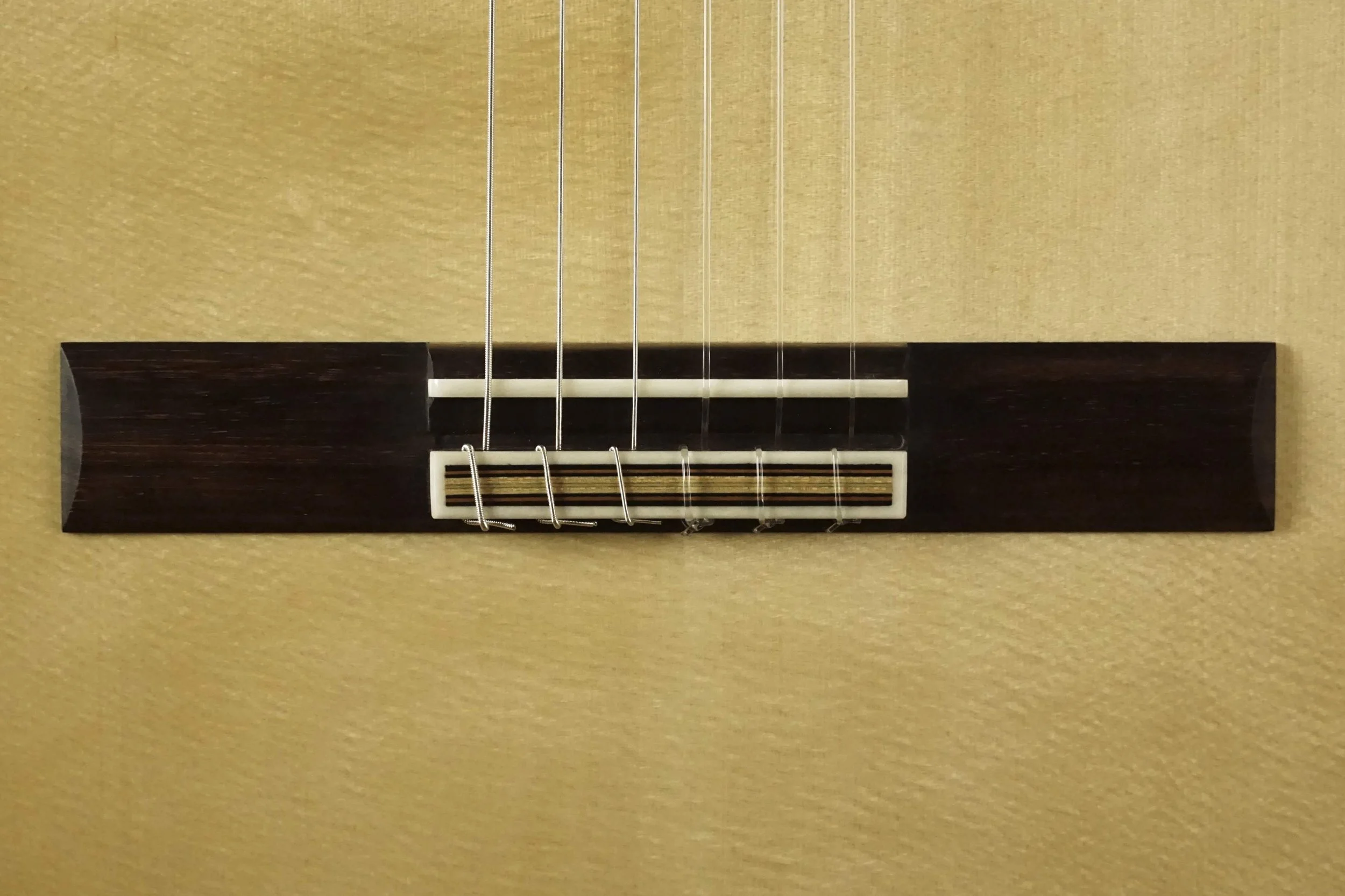
Mitered 18 or 12 or 6 hole tieblock for bridge
Reserved stock of visually higher graded materials
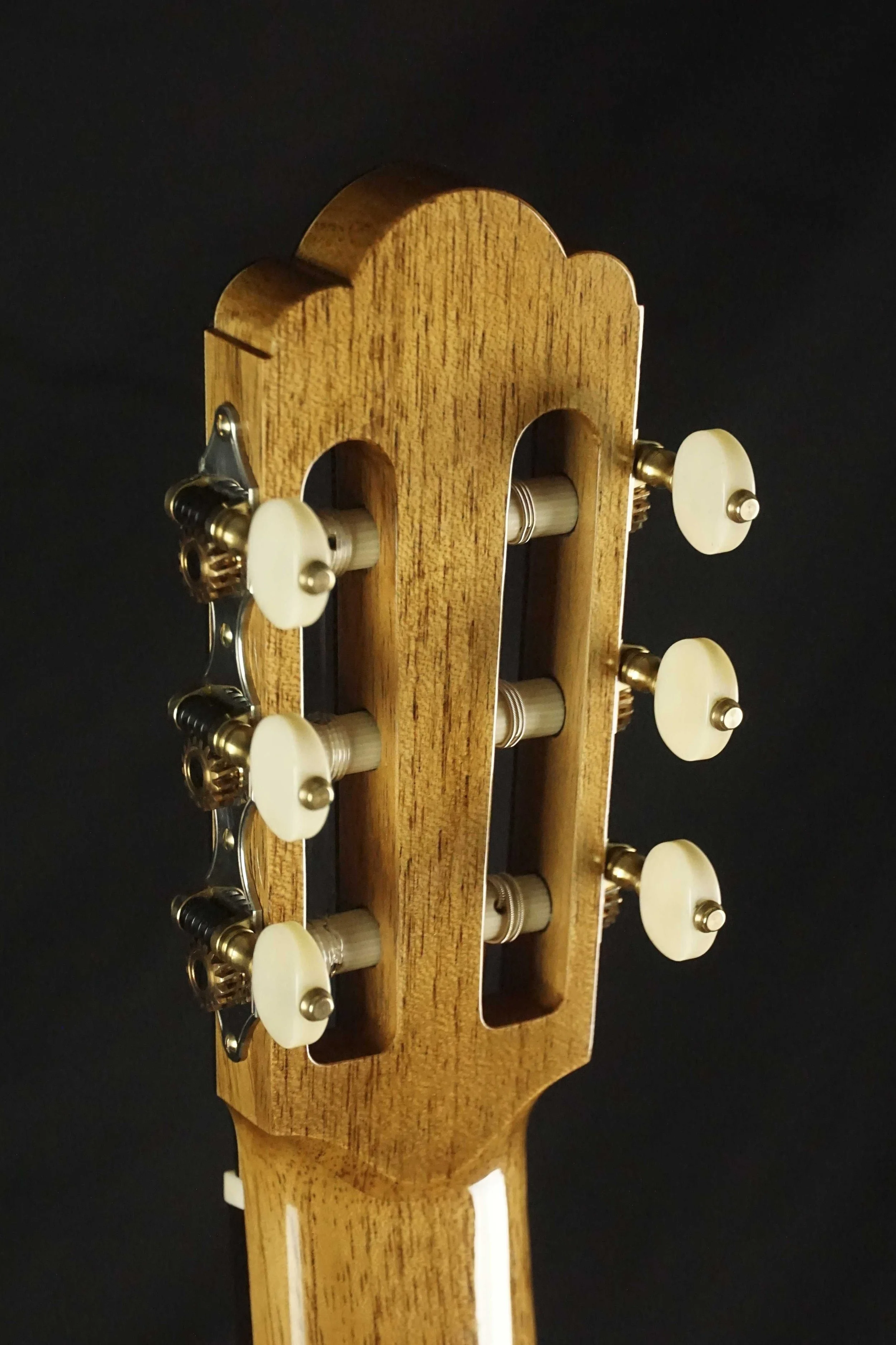
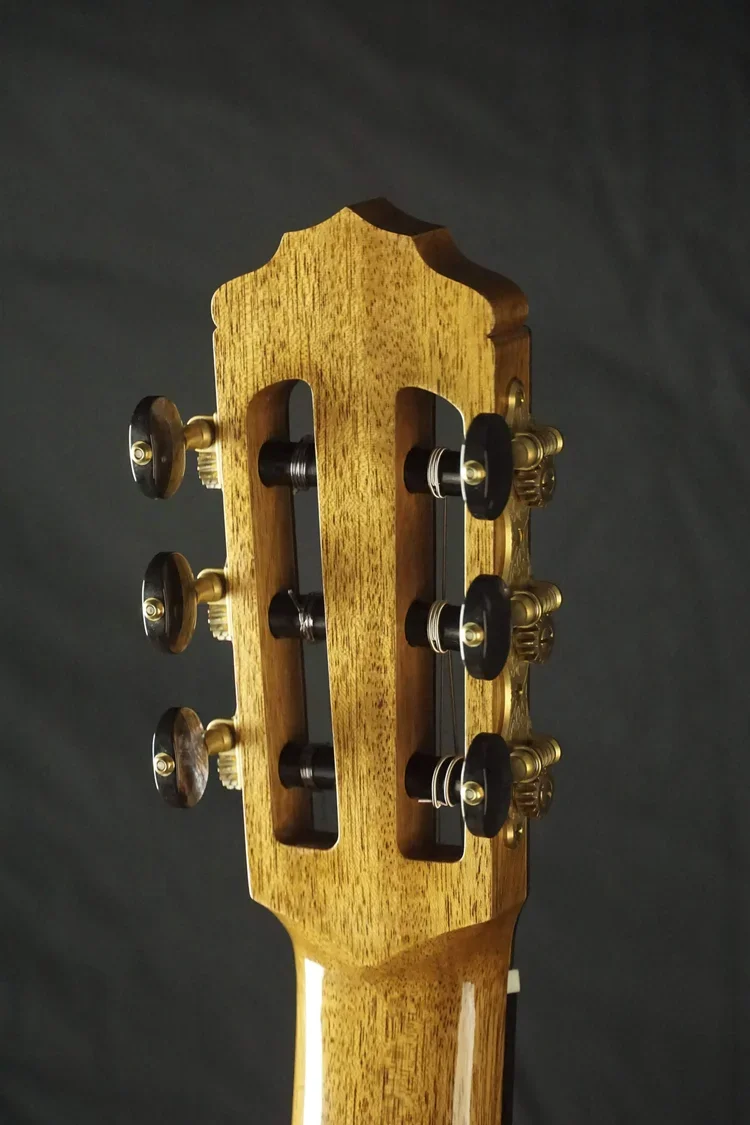
Gotoh premium classical machines or equivalent
Asymmetric or open bar bracing pattern
Visesnut Active Series case included

The Details
BRACING OPTIONS
Open Harmonic Bar: This is a 7 fan design inspired by the work of Jose Romanillos and Jeffrey Elliott. This design maintains a lyrical and singing character to the notes with lots of color and a refinement to the overall sound. I mainly pair this design with spruce tops. This design has a brighter character to the bass notes which is great for implied melody lines in the bass in early music, etc.
Asymmetric: This design is an asymmetrical 6 fan bracing taking elements from many Spanish inspired designs; imparting a rich and lyrical tone, especially in the first position, with character and greater overall darker tonality. Beautiful character but a little bit less sustain in the upper registers than some of the other designs. I often pair this design with cedar tops.
DESIGN
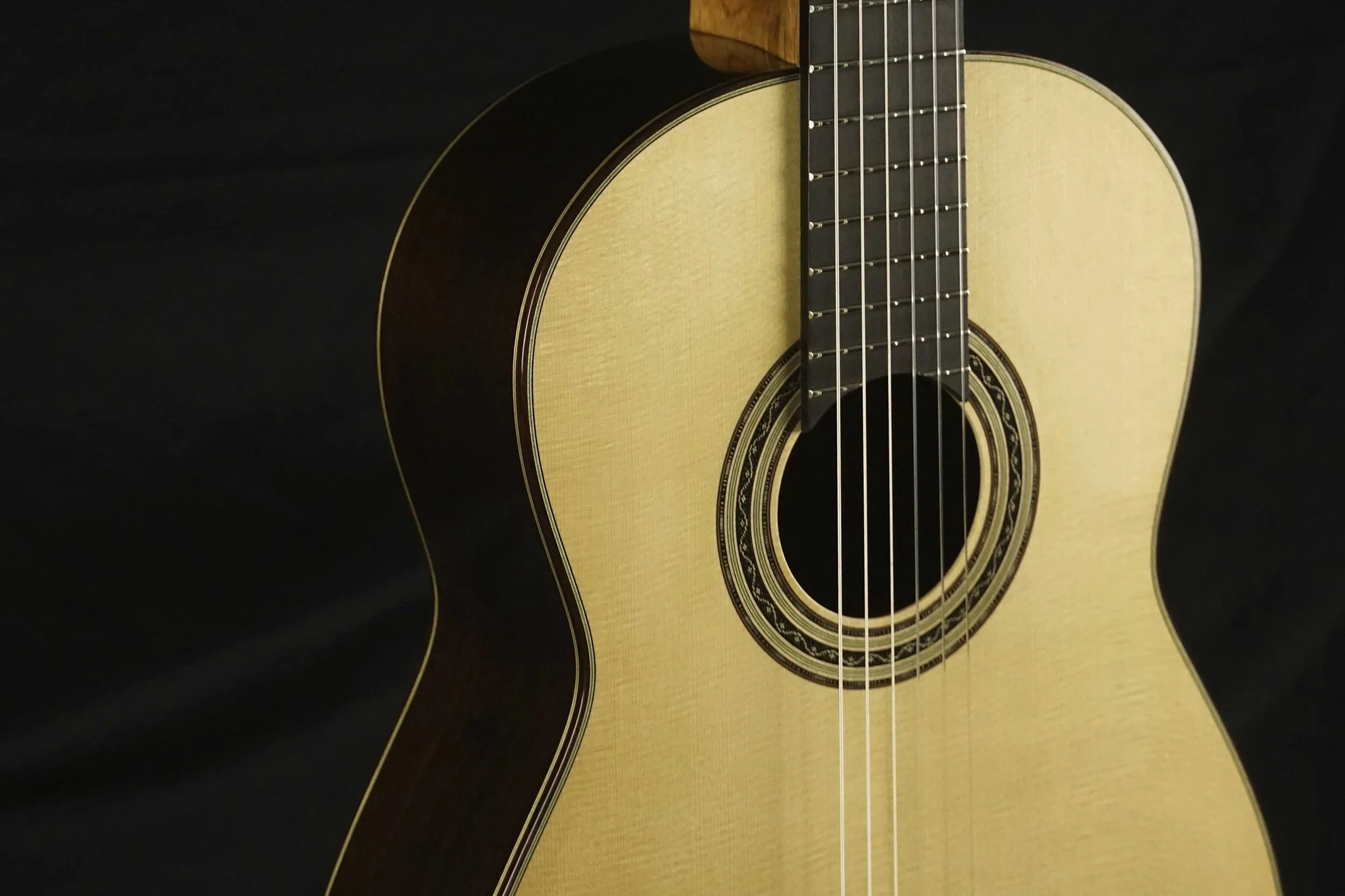
This guitar features a more traditional aesthetic with mosaic rosette and classical detailing such as all around multi-lined purflings that meet in a mitre joint, a tieblock bridge hand made in my shop, and a headstock with bevels and carvings that pays tribute to the guitar masters of the past.
My Traditional model features:
Rosette–Handmade mosaic design
Tailblock–made of same material as bindings with mitered purfling lines.
Headstock– Traditional style headstock carved decorative edges
Bridge–Made in shop with either an 18, 12 or 6 hole tie block
Fingerboard– in African or Indian Ebony
TONEWOOD
The top comes standard in European Spruce, Engelmann Spruce, Western Red Cedar or Redwood.
The back and sides are constructed from a selection of reserved stock tonewood that visually highly graded. Species choices include East Indian Rosewood, Madagascar Rosewood, Honduran Rosewood, Myrtle Wood, and more. Please ask about my selection.
FINISHING
The Traditional Series comes standard with complete French polish finish. This is a labor intensive finish but pays off because it is sonically wonderful and environmentally friendlier than a water based or nitrocellulose lacquer finish. The back and sides can be lacquered for greater durability. I will also lacquer the tops of instruments per request.
GUITAR TUNERS
Gotoh 510 Machine heads or equivalent are standard. Other Machines (Rodgers, Barnett, Gilbert, Scheller, etc) are available to order.
Typical CUSTOMIZATIONS
Sound port
Sound port with magnetic cover
20th fret
Arm bevel or rest
Subtle doubled binding thickness at lower bout for larger rounding where arm rests
Cutaway
Elevated fingerboard
Sipe Traditional Classical GuitarS in Action
FAQs
How Long Is The Process to Get a Guitar?
1
A guitar build from start to finish is usually two to three months in total but I am not usually available to start immediately. Current wait times fluctuate based on the number of current orders. Please contact me for more info.
What is the difference Between Open Harmonic Bar and Asymmetric Bracing?
2
The open harmonic bar bracing in reference to the work of Jose Romanillos and Jeffrey Elliott. It’s a 7 fan design in line with the most famous designs of Torres and Hauser with a more broken in sound out of the gate. The top with the open bars is less stiff in those areas and contribute to that “opened" sound. There is still a lot of brightness and clarity especially as compared to the asymmetric bracing.
The asymmetric bracing is kind of an amalgam of various Spanish designs. I typically use 6 or 5 fans. It takes elements from Miguel Rodriguez Jr, Ramirez and others. It’s similar to the mode that Robert Ruck worked in. When customers come looking for something a bit darker in tonality with lush and pleasing character, I tend to point them to this bracing. There is a great richness to the basses and really to every note in the 1st position. It’s more of a lyrical sound with deeper bass that tends to lend itself well to Romantic and Classical repertoire.
What is the difference between Spruce & CEdar Tops?
3
Each top has to be evaluated as an induvial but you can maybe make a generalization about some of the sounds typical of certain species. With Western Red Cedar, notes tend to be “there” and with spruce, notes have more of a “bloom”. I find that it makes me play music in a different way. With cedar guitars I tend to be able to see the forest for the trees, meaning that I’m better at say, building dynamics towards a cadence or shaping a whole phrase or section. With spruce guitars I tend to get lost in the nuances of notes themselves. With spruce I find that subtle shifts in nail attack really change the tonal character and thus I tend to get lost in those sounds. Cedar may have a little bit less range of color and is therefore a bit more forgiving overall. It is easier to maintain a consistent tone thru a phrase.
Is iT possible to customize the scale length and the width of the nut?
4
Yes and there is no extra charge for custom nut width and scale length changes. Scale lengths are available in mm of 632.5, 640, 645, 650, 655, 660, and 665.